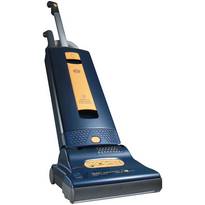
Dog shedding problem can happen with any dog and all dogs with hair shed. the only breed known to not have any hair, so do not spill the American hairless terrier. How many dog sheds and how often depends on the breed and lifestyle of the dog. Some breeds have a thick undercoat and a lighter top coat, while others have only one coat of coarse hair. Shedding is a natural process controlled by the hormonal system of the dog, depending on lifestyle, exposure to natural light and general overall health. As the new coat comes in an old coat has to go.
This is a common misconception that allergies are a dog from shedding problem is caused by a real dog hair, but the real culprit is the dog dandruff or flaky skin released as it shoots. Even hypoallergenic dogs shed and produce dander. They shed as often as non-hypoallergenic breeds, but because they only have one coat and shed less fur, they also shed less dander. These are the breeds Terrier, Bichon Frise, Schnauzer, Havanese, poodle and shih tzu. Mixed breed with a Poodle are gaining popularity because of its hypoallergenic qualities, such as Labradoodles (Labrador and poodle mix) and Goldendoodles (golden retriever and poodle ).
The double-coated breeds shed a much larger amount of fur than those with one coats. Short-haired double coated dogs shed at the same rate as their counterparts with long hair. Remember, though, apart from the mess shed dog hair and the need to sweep and vacuum the house more often, the dog shedding problem of hair not fur. However, due to the double-coated dogs shed more hair also shed more dander, and are more likely to cause allergy issues related to his family. Double-coated, heavy shedding breeds include Husky, Collie, Pomeranian, Golden Retriever, Dalmatian, Labrador, German Shepherd, Norwegian Elkhound, and St. Bernard.
Fluid is designed by nature to occur more prominently as the weather gets warmer and the days get longer. However, dogs that spend most of their time indoors are likely to shed year round. When the dog goes out, your system recognizes and responds to cold production of heavy coat. But inside, where it is warm opposes this process. Dog shedding problem that appears abnormal may be the result of poor diet, stress or infection and should be explained by a veterinarian. Excessive thinning can be a sign of a much larger problem, such as thyroid imbalances, eczema or cancer.